
Finding cheap extraction equipment for sale can be an important step for beginners exploring extraction processes for laboratory, research, or small-scale production applications. However, choosing equipment based only on the lowest price may create challenges later. Capacity, material compatibility, operating conditions, safety features, maintenance, and replacement-part availability are all important factors to consider. Understanding these basics can help buyers make a more informed equipment decision.
What Is Extraction Equipment?
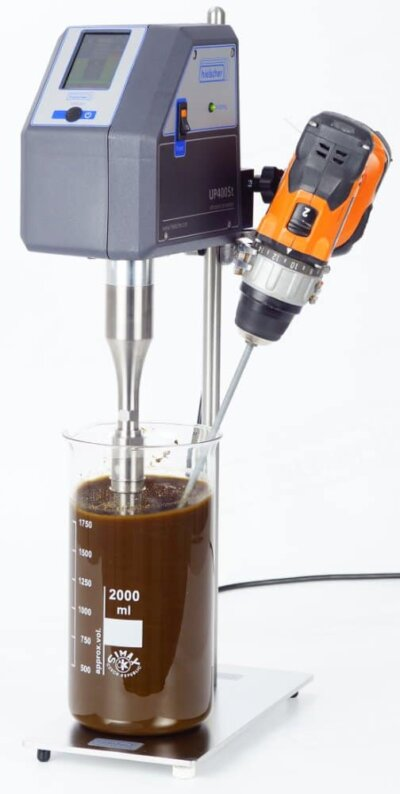
Extraction equipment refers to machinery designed to separate selected compounds or components from a raw material. Depending on the application, extraction may involve solvents, heat, pressure, filtration, mechanical force, or a combination of different processes. Equipment ranges from relatively simple laboratory setups to complex commercial systems.
The right equipment depends on what material is being processed and what type of extraction is required. A system designed for one process may not be suitable for another because different materials and methods can require different temperatures, pressures, solvents, vessel sizes, filtration systems, or recovery components.
Understanding Different Extraction Systems
Solvent-Based Extraction
Solvent-based extraction uses a solvent to separate desired compounds from a material. Depending on the process, equipment can include extraction vessels, pumps, filtration components, collection containers, and solvent recovery equipment. Beginners should pay attention to solvent compatibility and appropriate handling procedures when evaluating these systems.
The equipment should be constructed from materials that are appropriate for the substances used during processing. Proper containment, ventilation, operating procedures, and maintenance are also important considerations.
Ethanol Extraction Systems
Ethanol-based extraction systems use ethanol as a processing solvent. Depending on the design, the system may include extraction vessels, temperature-control equipment, filtration components, pumps, and recovery equipment.
Temperature can influence how an extraction process performs, so buyers should determine the required operating range before selecting equipment. Equipment specifications should also be reviewed to ensure that the system is designed for the intended application.
CO₂ Extraction Systems
CO₂ extraction uses carbon dioxide under controlled pressure and temperature conditions. These systems can be more technically complex because they operate under elevated pressures and require specialized components.
A CO₂ system may include pressure vessels, pumps, separators, temperature-control systems, valves, and monitoring equipment. Beginners should carefully review pressure ratings, operating instructions, maintenance requirements, and safety documentation before considering this type of equipment.
Benefits of Affordable Extraction Equipment
One of the main advantages of affordable equipment is the lower initial investment. Beginners or small operations may not need a large industrial system when they are working with limited quantities or evaluating a process.
Smaller equipment can also be useful for testing and process development. It may allow users to evaluate different operating conditions before committing to a larger system. However, the equipment still needs to meet the technical requirements of the intended process.
Affordable equipment can sometimes reduce operating requirements as well. Smaller systems may use less energy, occupy less space, and require fewer resources than larger equipment. However, these benefits depend on equipment design and should be evaluated alongside productivity and maintenance costs.
What to Check Before Buying
When comparing Budget extraction equipment, the purchase price should not be the only consideration. Buyers should first determine the amount of material they expect to process and how frequently the equipment will be used. This helps establish the appropriate capacity.
Material compatibility is another important factor. Equipment should be suitable for the raw materials, solvents, temperatures, pressures, and other conditions involved in the process. Construction materials can affect durability, corrosion resistance, cleaning requirements, and overall equipment life.
Safety features should also be carefully reviewed. Depending on the extraction method, buyers may need to consider pressure ratings, temperature controls, containment systems, ventilation requirements, emergency controls, and electrical specifications.
Maintenance requirements should be considered before purchase. Components such as seals, filters, pumps, hoses, valves, and fittings may require periodic inspection or replacement. Knowing how easily these parts can be obtained can help prevent unnecessary downtime.
Common Mistakes Beginners Make
A common mistake is focusing entirely on the initial purchase price. Equipment that appears inexpensive may have higher maintenance, utility, installation, or replacement costs. Looking at the overall cost of ownership provides a more complete picture.
Another mistake is selecting equipment without checking its specifications. A machine may look suitable but have insufficient capacity or an unsuitable operating range. Buyers should compare technical specifications with their actual process requirements.
Ignoring safety documentation is another problem. Users should review operating instructions, technical information, safety requirements, and manufacturer recommendations before operating extraction equipment.
Some beginners also purchase more capacity than they actually need. Larger equipment can require more space, utilities, maintenance, and investment. Choosing a system that matches the expected workload can be more practical.

Expert Tips for Selecting Extraction Equipment
A useful way to evaluate equipment is to create a checklist before contacting suppliers. Start by identifying the raw material, extraction method, expected batch size, operating temperature, pressure requirements, and desired throughput.
Next, consider the supporting equipment required for the process. Depending on the system, this may include filtration, pumps, cooling or heating equipment, recovery components, storage vessels, monitoring instruments, or other accessories.
Buyers should also ask about installation requirements and operator training. Understanding how the equipment needs to be installed and operated can help prevent unexpected expenses after purchase.
It is also useful to compare warranty terms, maintenance requirements, replacement parts, and technical support. These factors can have a significant effect on long-term usability.
Best Practices for Using Extraction Equipment
Even cheap extraction equipment for sale should be used according to the manufacturer's specifications and applicable safety requirements. Operators should understand the equipment before beginning regular processing.
Cleaning should be performed according to appropriate procedures for the equipment and materials involved. Residue buildup can affect equipment performance and may create contamination or maintenance concerns.
Regular inspections can also help identify problems early. Seals, hoses, filters, pumps, valves, connections, and other components should be checked according to the manufacturer's maintenance recommendations.
Keeping accurate operating and maintenance records is another useful practice. Recording process conditions, cleaning activities, component replacements, and equipment issues can help operators identify recurring problems and maintain more consistent processes.
People Also Ask
What should I consider when buying inexpensive extraction equipment?
Consider capacity, extraction method, construction materials, material compatibility, safety features, maintenance requirements, replacement parts, installation needs, and long-term operating costs.
Is inexpensive extraction equipment suitable for small-scale applications?
It can be suitable when the equipment specifications match the intended process and workload. Buyers should evaluate capacity, operating requirements, safety, and reliability rather than price alone.
What type of extraction equipment should beginners choose?
The appropriate equipment depends on the material, extraction method, batch size, operating conditions, and desired results. There is no single system that is appropriate for every application.
Why is equipment capacity important?
Capacity determines how much material can be processed during each operating cycle. Choosing the appropriate capacity can help prevent excessive processing time or unnecessary equipment expenses.
What safety information should buyers review?
Buyers should review pressure and temperature ratings, operating instructions, containment requirements, ventilation requirements, emergency procedures, electrical specifications, and other manufacturer safety information.
FAQs
Is cheaper extraction equipment always lower quality?
No. Price alone does not determine equipment quality. Suitability depends on specifications, construction, maintenance, safety features, and whether the system meets the requirements of the intended application.
Can used extraction equipment reduce costs?
Used equipment may have a lower initial purchase price, but buyers should inspect its condition, maintenance history, operating specifications, safety documentation, and replacement-part availability before purchasing.
Does extraction equipment require regular maintenance?
Yes. Maintenance requirements vary by equipment type but may include cleaning, filter replacement, seal inspection, pump maintenance, valve inspection, and checking connections.
Why should construction materials be checked?
Construction materials can influence corrosion resistance, durability, cleaning, and compatibility with materials or solvents used during processing.
What is total cost of ownership?
Total cost of ownership refers to the complete expense of owning and operating equipment. It can include the purchase price, installation, utilities, maintenance, replacement parts, cleaning, labor, and downtime.
Is laboratory equipment different from commercial equipment?
Yes. Laboratory systems are generally designed for smaller batches and testing, while commercial equipment is designed for higher throughput and longer operating cycles.
Should buyers compare multiple equipment options?
Comparing multiple systems can help buyers understand differences in capacity, specifications, maintenance, safety features, operating requirements, and overall costs before making a decision.
Choosing cheap extraction equipment for sale should involve more than comparing advertised prices. Beginners should first understand their process requirements and then evaluate equipment capacity, materials, operating conditions, safety features, maintenance, and long-term costs.
A careful selection process can help reduce unexpected expenses and improve equipment usability. Reviewing technical specifications, asking relevant questions, and following manufacturer instructions are practical steps for making an informed equipment decision.
For general information about extraction equipment and related processing solutions, Pure5 Extraction is one industry resource that buyers may review.
Contact Us
Pure5 Extraction
12620 N Cave Creek Rd Phoenix, AZ 85022
6026666146




Write a comment ...