
The growing interest in cannabis research has unveiled many important aspects of the plant, ranging from cannabinoids like THC and CBD to lesser-known compounds that influence aroma, flavor, and potential therapeutic effects. Among these, terpenes have garnered significant attention. Terpenes are the aromatic compounds found in many plants, including cannabis, and they play a vital role in shaping a user’s overall experience. As interest in natural products and holistic remedies increases, Cannabis Terpene Extraction has become a central focus of scientific and commercial exploration.
This article delves into the science, methods, challenges, and future of terpene extraction from cannabis without promoting any specific brand or product.
What Are Terpenes?
Terpenes are naturally occurring chemical compounds responsible for the aroma and flavor in plants. In cannabis, they interact synergistically with cannabinoids in a phenomenon often referred to as the “entourage effect,” potentially enhancing or modulating therapeutic effects. Over 100 different terpenes have been identified in the cannabis plant, each with its unique characteristics and possible benefits. Some common cannabis terpenes include:
Myrcene – Earthy and musky; believed to promote relaxation
Limonene – Citrus-scented; associated with mood elevation
Pinene – Pine aroma; may support alertness and memory retention
Linalool – Floral fragrance; potentially calming or sedative
Caryophyllene – Spicy note; unique as it may interact with cannabinoid receptors
Understanding and preserving these delicate compounds is the core goal of Terpene recovery from cannabis.
Why Extract Terpenes?
The extraction of terpenes from cannabis serves several purposes, including:
Preservation of Flavor and Aroma
When used in vaping, edibles, or topicals, extracted terpenes can help maintain the plant’s native characteristics.Custom Formulations
Extracted terpenes can be blended to mimic specific strains or to create entirely new sensory profiles in cannabis-derived products.Therapeutic Potential
Isolated terpenes may have medical applications due to their anti-inflammatory, anti-anxiety, and analgesic properties.Quality Enhancement
Adding extracted terpenes back into cannabis oils or concentrates improves taste, smell, and overall product appeal.
Methods of Cannabis Terpene Extraction
There are several methods used to extract terpenes from the cannabis plant. Each has its advantages and limitations, often based on yield, quality, safety, and cost-efficiency.
1. Steam Distillation
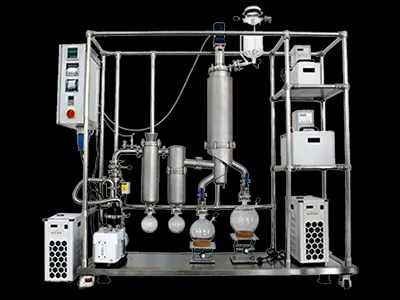
One of the oldest and most widely used techniques for essential oil extraction, steam distillation works by passing steam through plant material to vaporize volatile compounds, which are then condensed back into liquid form. While relatively simple and solvent-free, this method may degrade heat-sensitive terpenes and does not always capture the full profile.
2. Hydrodistillation
Similar to steam distillation but using boiling water rather than steam. Though effective, it may result in the loss of more volatile or fragile terpenes due to higher processing temperatures and extended contact with water.
3. Cold Trapping
Cold trapping is often integrated with vacuum distillation and involves collecting terpenes at low temperatures as they are separated from cannabinoids and waxes. This method is useful for capturing highly volatile compounds but requires advanced equipment and careful monitoring.
4. Supercritical CO₂ Extraction
A more sophisticated and environmentally friendly method, supercritical carbon dioxide extraction uses pressurized CO₂ to extract terpenes and cannabinoids selectively. By fine-tuning temperature and pressure, processors can isolate specific fractions of compounds. While precise and clean, this method can be expensive due to the equipment involved.
5. Hydrocarbon Extraction (Butane or Propane)
This method uses hydrocarbons to dissolve plant compounds. It is highly effective in preserving terpene profiles but raises concerns about residual solvents and flammability. Proper post-processing and equipment design are essential for safety.
6. Ethanol Extraction
Often employed in large-scale operations, ethanol is used as a solvent to strip the plant of cannabinoids and terpenes. Though efficient, it may extract unwanted compounds like chlorophyll unless further refinement is conducted.
7. Solventless Techniques (Rosin Pressing)
This approach relies on heat and pressure to extract resin from cannabis flower or hash, capturing terpenes in a more natural way. Although it’s a cleaner method, it might not yield the same terpene diversity or concentration as other methods.
Challenges in Terpene Extraction
Extracting terpenes from cannabis is not without its hurdles:
Volatility: Terpenes evaporate at relatively low temperatures, making them difficult to retain during traditional extraction.
Degradation: Exposure to light, heat, and oxygen can alter or destroy terpenes.
Standardization: Ensuring a consistent terpene profile batch-to-batch can be difficult, especially with natural variance in raw plant material.
Purity: Removing unwanted compounds and ensuring there are no residual solvents or impurities requires multiple processing steps.
Quality Control and Testing
Due to the variability of terpene content in cannabis, consistent testing and analytical control are critical. Techniques like Gas Chromatography-Mass Spectrometry (GC-MS) and High-Performance Liquid Chromatography (HPLC) help in identifying and quantifying terpene content. These tools ensure both the safety and efficacy of the final product.
Furthermore, good manufacturing practices (GMP) and third-party testing help build trust in the product and ensure compliance with legal regulations in various markets.
Environmental and Sustainability Concerns
As with any extraction industry, the sustainability of terpene extraction practices is increasingly scrutinized. Water usage, energy consumption, and chemical runoff are areas where improvements can be made. Supercritical CO₂ and solventless extraction are often preferred for their lower environmental impact.
Many producers are now adopting closed-loop systems, renewable energy sources, and biodegradable solvents to align their operations with green principles. This shift not only benefits the environment but also appeals to the increasingly eco-conscious consumer base.
Future Trends in Terpene recovery from cannabis
Enhanced Terpene Isolation
Ongoing research is improving the ability to isolate specific terpenes with higher purity and efficiency.Synthetic Biology
Scientists are exploring methods to biosynthetically produce cannabis terpenes in yeast or bacteria, bypassing the need for cultivation and extraction altogether.Nanoemulsion Technology
Advances in delivery systems, such as nanoemulsions, may improve terpene absorption and bioavailability in the human body.Custom Terpene Blends
Companies and researchers are working on personalized terpene profiles tailored to individual needs and preferences.Regulatory Standardization
As global interest in cannabis products grows, international standards and labeling regulations for terpene content are expected to evolve and become more stringent.
Terpenes are more than just aromatic enhancers—they represent a critical piece of the cannabis puzzle. From shaping flavor profiles to contributing to therapeutic potential, these compounds deserve as much attention as cannabinoids in the cannabis industry. The science and technology of Cannabis Terpene Extraction continue to evolve, with significant investments in cleaner, safer, and more efficient techniques.
As consumers become more educated and discerning, terpene-rich products are likely to gain further traction in the wellness and recreational markets alike. The journey to extract and utilize terpenes effectively will remain a dynamic and innovative field within the broader cannabis sector.

Write a comment ...