
As regulatory standards evolve across the cannabis industry, maintaining compliant product potency has become a critical priority for cultivators and processors. When harvested material exceeds legal THC limits, remediation becomes necessary to bring products within acceptable thresholds without compromising quality. This is where THC Remediation equipment plays a vital role in modern processing facilities.
Remediation involves adjusting cannabinoid concentrations in harvested biomass or extracted oil to meet regulatory requirements. Instead of discarding non-compliant material, processors can use advanced techniques to refine, separate, and rebalance cannabinoid profiles. With increasing oversight and testing protocols, reliable remediation systems have become essential for sustainable operations.
Why THC Remediation Matters
Cannabis regulations in many regions define strict THC concentration limits, especially for hemp-derived products. If crops test above allowable levels, they may be classified differently or even deemed unsellable. Without remediation options, producers face significant financial losses.
Remediation processes allow facilities to:
Preserve valuable biomass
Reduce financial waste
Maintain product compliance
Optimize cannabinoid profiles
Enhance operational efficiency
By implementing advanced systems, producers can manage variability in plant chemistry while adhering to legal standards.
Understanding THC Variability
THC concentration can fluctuate due to genetics, environmental conditions, harvesting timing, and curing practices. Even small changes in growing conditions may influence cannabinoid development.
Testing inconsistencies and natural plant variation make it difficult to guarantee uniform THC levels across large harvests. Remediation provides a corrective pathway when potency slightly exceeds target limits.
Core Methods Used In Remediation
Several technical approaches are commonly integrated into THC Remediation equipment systems. Each method varies in complexity, cost, and precision.
Chromatographic Separation
Chromatography separates cannabinoids based on their chemical properties. This process isolates THC from other compounds, allowing processors to reduce overall concentration while preserving desirable cannabinoids such as CBD.
This technique offers precision and control but requires specialized laboratory infrastructure.
Distillation Refinement
Distillation separates compounds based on boiling points. By carefully controlling temperature and pressure, processors can refine cannabinoid content and rebalance formulations.
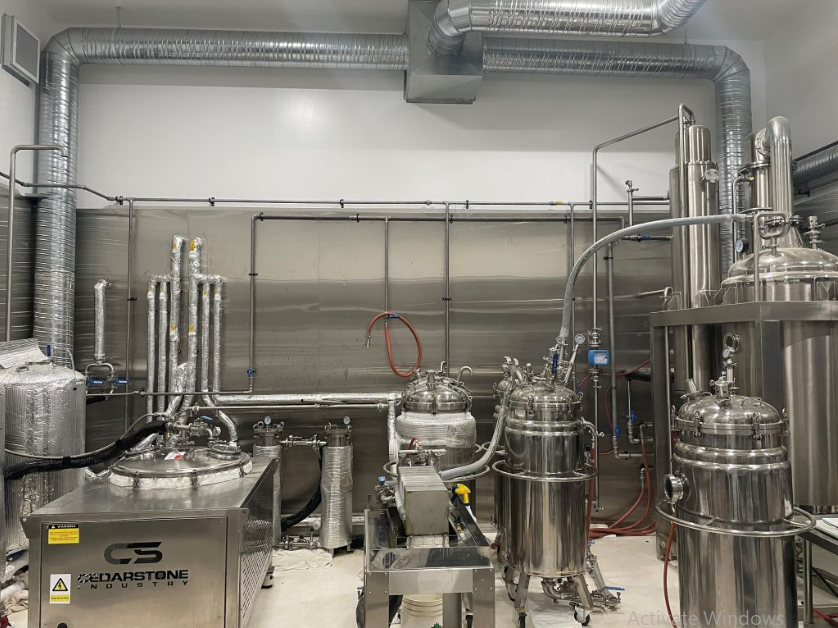
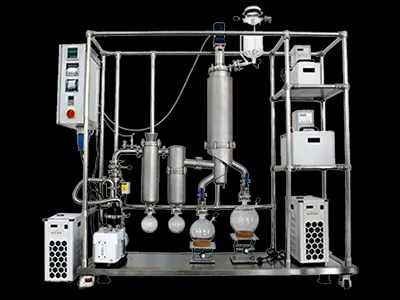
Short-path and wiped-film distillation systems are frequently used in large-scale operations due to efficiency and scalability.
Dilution And Reblending
In some cases, high-THC material can be blended with lower-potency batches to achieve compliance. While simpler than advanced separation methods, dilution requires precise measurement and accurate lab verification.
Key Features Of Modern Equipment
Advanced remediation systems typically include:
Stainless steel construction for contamination control
Temperature and pressure monitoring
Automated controls for consistent output
Scalable configurations for varying production volumes
Integration with testing and quality assurance workflows
Automation reduces human error while maintaining reproducibility.
Maintaining Product Integrity
One of the primary concerns during remediation is preserving terpene profiles and minor cannabinoids. Over-processing may degrade valuable compounds that influence aroma, flavor, and therapeutic potential.
High-quality systems prioritize selective separation, minimizing damage to delicate plant components.
Careful calibration ensures that remediation does not negatively impact product appeal or efficacy.
Compliance And Documentation
Regulatory agencies often require detailed documentation of remediation procedures. Facilities must maintain clear records of testing results, process adjustments, and final compliance verification.
Equipment that integrates digital monitoring and reporting features simplifies regulatory audits and enhances transparency.
Traceability supports accountability across the supply chain.
Economic Benefits Of Remediation
Investing in remediation technology can significantly reduce waste. Instead of destroying non-compliant material, processors can recover usable cannabinoids and maintain revenue streams.
Financial advantages include:
Lower crop loss
Increased operational flexibility
Reduced risk of regulatory penalties
Improved inventory management
Over time, remediation systems can contribute to stable profit margins in a highly regulated market.
Environmental Considerations
Sustainable practices are increasingly important in cannabis processing. Efficient remediation systems help reduce waste disposal and energy consumption.
Modern facilities aim to:
Minimize solvent usage
Recycle processing materials
Optimize energy efficiency
Reduce emissions
Responsible operation supports long-term industry credibility.
Choosing The Right System
Selecting appropriate remediation technology depends on several factors:
Production scale
Desired precision level
Regulatory framework
Budget constraints
Facility infrastructure
Small-scale producers may prioritize compact systems, while large processors often require high-throughput automation.
Thorough evaluation of capacity needs and compliance requirements ensures optimal investment decisions.
Integration With Extraction Workflows
Remediation is typically integrated within broader extraction and refinement processes. Seamless workflow alignment improves efficiency and consistency.
Facilities may combine extraction, winterization, distillation, and remediation into cohesive production lines. This integrated approach reduces handling time and maintains product integrity.
Quality Assurance Testing
Testing remains central to successful remediation. Before and after processing, laboratory analysis confirms cannabinoid concentration and verifies compliance.
Accurate testing methods help avoid repeated remediation cycles and ensure final products meet market standards.
Routine calibration and validation of equipment maintain reliability over time.
Training And Operational Expertise
Even the most advanced systems require skilled operators. Proper training ensures safe handling, accurate calibration, and consistent results.
Operators must understand:
Chemical separation principles
Equipment maintenance protocols
Regulatory compliance guidelines
Safety procedures
Ongoing education supports operational excellence and minimizes errors.
Risk Management
Without effective remediation strategies, producers risk financial loss and regulatory consequences. Equipment investment serves as a risk mitigation tool.
By incorporating remediation into standard operations, facilities reduce uncertainty and maintain adaptability in changing regulatory environments.
Preparedness supports business continuity.
Future Trends In Remediation Technology
As cannabis markets mature, remediation technology continues to evolve. Innovations may include:
Enhanced automation
Improved solvent recovery systems
Greater terpene preservation techniques
More energy-efficient designs
Advanced data analytics integration
Continuous improvement reflects the industry’s commitment to quality and compliance.
Balancing Efficiency And Precision
Effective remediation strikes a balance between throughput and accuracy. Overly aggressive processing can compromise product quality, while insufficient refinement may fail compliance testing.
Advanced systems allow fine-tuned adjustments that protect both regulatory status and consumer expectations.
This balance is central to sustainable operations.
Ethical And Regulatory Responsibility
Compliance is not merely a financial consideration but also an ethical one. Ensuring accurate labeling and legal cannabinoid levels protects consumers and strengthens industry credibility.
Transparent remediation practices demonstrate commitment to safety and regulatory standards.
Regulatory complexity and natural plant variability make remediation an essential component of modern cannabis processing. By implementing advanced solutions, producers can correct potency deviations, reduce waste, and maintain compliance without sacrificing quality.
With the increasing demand for reliable and consistent cannabinoid products, THC Remediation equipment provides critical technological support for maintaining industry standards. Careful selection, proper training, and continuous monitoring ensure that remediation enhances both efficiency and product integrity.
As regulations continue to evolve, adaptable processing systems will remain fundamental to sustainable growth and responsible production.
pure5extraction



Write a comment ...